Genetic material typically moves from parent to offspring. However, nature frequently breaks this rule. Recent scientific investigations have revealed that unrelated species can exchange DNA directly through a process known as Horizontal Gene Transfer (HGT).
While once thought to be a phenomenon exclusive to microscopic bacteria, new research in both terrestrial botany and speculative exobiology shows how parasitic relationships are rewriting the rules of genome evolution and species survival.
Part 1: How Parasitic Plants Steal and Express Host DNA
A study published in Proceedings of the Royal Society B has shed light on a remarkable case of botanical theft. Researchers at the Universidad Nacional de Cuyo in Argentina investigated Lophophytum, a genus of holoparasitic plants. Lacking chlorophyll and the ability to perform photosynthesis, these plants must attach themselves to host species to survive, draining them of water, nutrients, and energy.
Led by senior author Maria Virginia Sanchez-Puerta, the scientific team discovered that Lophophytum does not just steal nutrients—it actively steals genetic code.
Overcoming Expression Barriers
Historically, scientists believed that foreign plant DNA acquired via HGT usually becomes nonfunctional “junk” DNA. This is due to strict biological barriers. For a foreign gene to work, it must be compatible with the recipient plant’s nucleus and cellular machinery.
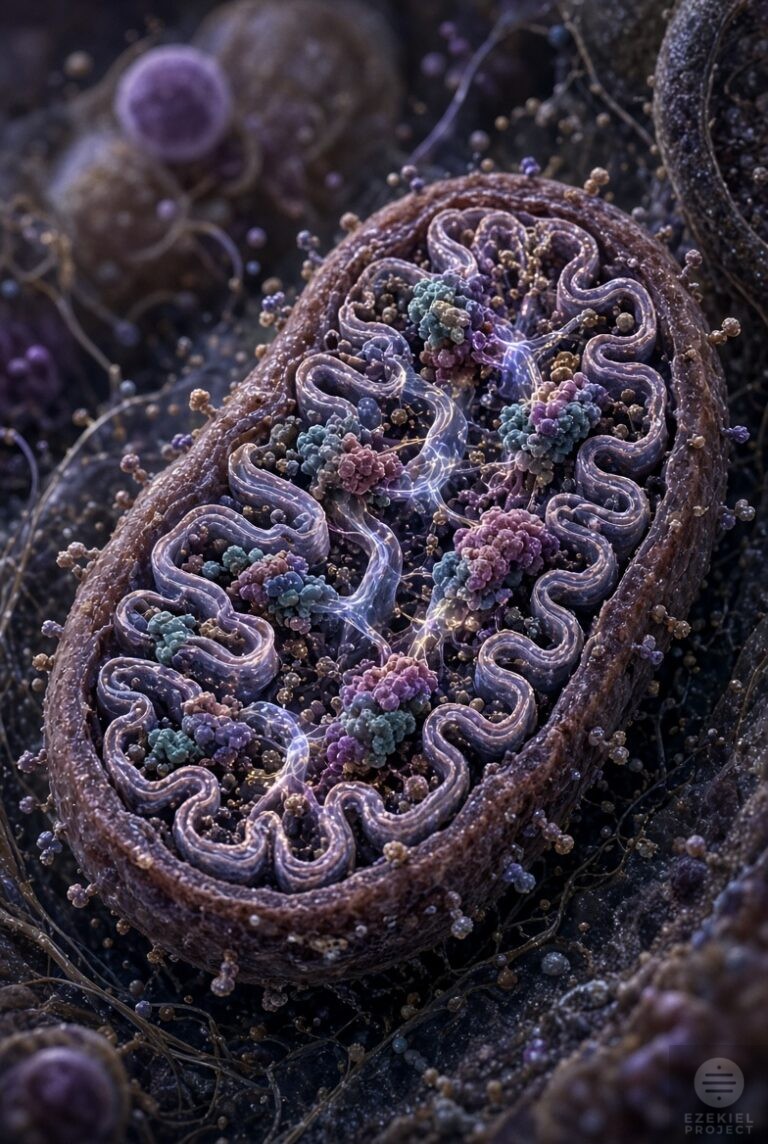
By sequencing the mitochondrial genomes of Lophophytum mirabile and Lophophytum pyramidale and comparing them to their hosts, the researchers discovered that the parasite successfully replaced its own native mitochondrial genes with functional, stolen copies.
The study revealed exactly how natural selection allowed these foreign genes to bypass cellular barriers:
- Native Promoters: The genes retained regions that the parasite’s own cells could recognize.
- No Introns: The transferred material lacked complex structures that required specialized splicing.
- Low RNA Editing: The genes required very little modifications to become active.
Ultimately, the parasite’s own cellular mechanisms accommodated the stolen genes without needing regulatory help from the host. Looking forward, the team is investigating a “Circle-mediated HGT” model, suggesting that this stolen DNA forms autonomous circular chromosomes within the recipient’s mitochondria.
Part 2: Speculative Parasitic Reproduction in Non-Human Intelligence
While terrestrial science uncovers HGT in flora, specialized remote viewing data from January 2026 has provided an unconventional perspective on how parasitic gene manipulation might function in advanced organisms. Investigator Ezekiel Vacuo detailed a unique reproductive cycle utilized by a species of Non-Human Intelligence (NHI).
The Parasite as an External Womb
According to the report, this specific NHI species naturally lacks biological sexes or reproductive organs. To propagate, they rely entirely on a physical, external parasite roughly the size of a soccer ball.
The reproductive process follows a precise sequence:
- Attachment: The NHI attaches the parasite to the side of its own body.
- Vascular Integration: The parasite fuses with the NHI’s tissue, connecting directly to its blood vessels and nutrient supply.
- DNA Implantation: The host NHI implants its own genetic material into a specialized womb structure inside the parasite.
- Cloning and Release: Because reproduction bypasses sexual recombination, the growing embryo develops as a perfect genetic clone. Once the parasite can no longer sustain the growing infant, the NHI offspring detaches.
In a striking parallel to botanical HGT, the mature offspring eventually takes full control of the parasite, actively rewriting the parasite’s DNA to serve its own physiological needs.
Conclusion: The Shared Mechanics of Parasitic Exploitation
When viewed together, the biological realities of Lophophytum and the speculative observations of the NHI reproductive cycle highlight a profound evolutionary truth: parasitism is one of the primary drivers of radical genetic innovation.
In both cases, traditional reproduction and genetic boundaries are completely bypassed. Whether it is a terrestrial plant integrating foreign mitochondrial genes to stabilize its energy production, or a theoretical organism utilizing an external organism to host its clonal offspring, the underlying mechanism remains consistent. Evolution favors organisms that can successfully cross species boundaries, rewrite foreign genetic code, and utilize the biological infrastructure of a host to ensure their own survival.
Sources:
Roulet, M. E., & Sanchez-Puerta, M. V. (2026). A structural solution to functional HGT: gene chimaerism bypasses mitochondrial expression barriers in parasitic plants. Proceedings of the Royal Society B: Biological Sciences, 293(2026), Article 20252955. doi.org