The biologist Lynn Margulis made transformative contributions to science, reshaping fundamental understandings of biological evolution through her theory of symbiogenesis. Her work challenged long-standing paradigms in evolutionary biology by proposing that the origin of complex life forms arose not from gradual mutation and natural selection alone, but from cooperative mergers between previously independent organisms.
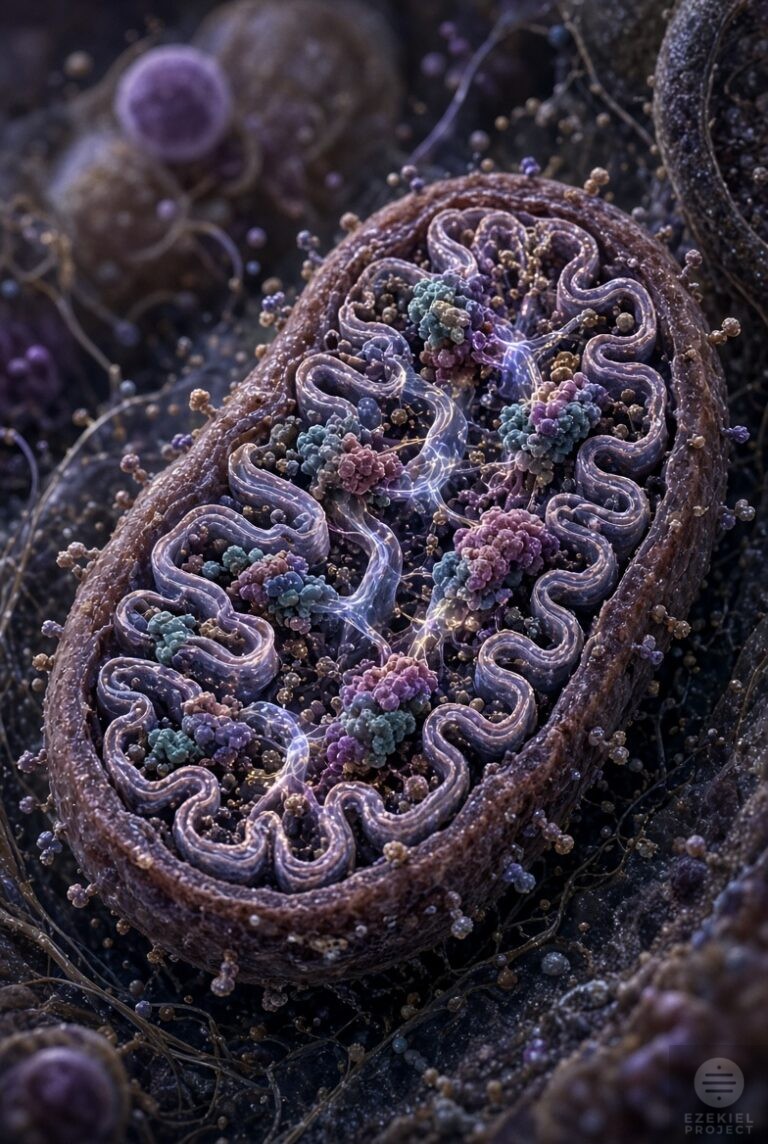
In a seminal paper published in the late 1960s titled On the Origin of Mitosing Cells, Margulis introduced the concept that eukaryotic cells—those found in plants and animals—originated through symbiotic relationships. She argued that mitochondria and chloroplasts, essential organelles responsible for energy production and photosynthesis respectively, were once free-living bacteria that became permanently integrated into host cells. This theory emphasized cooperation as a primary driver of evolutionary innovation, directly contrasting with the dominant interpretation of evolution centered on competition and survival of the fittest.
Despite its eventual scientific validation, Margulis’ theory faced widespread skepticism upon publication. It was initially rejected by fifteen academic journals before being accepted in the Journal of Theoretical Biology. Over time, empirical evidence confirmed her hypothesis: biochemical and genetic analyses demonstrated that mitochondria originated from alphaproteobacteria and chloroplasts from cyanobacteria, confirming their symbiotic ancestry.
The theory’s eventual acceptance has led to its inclusion in modern biology textbooks, establishing symbiogenesis as a cornerstone of evolutionary understanding. The concept now underscores the importance of interdependence in biological systems and redefines how life is viewed not as an outcome of isolation but of integration.
However, Margulis’ scientific career was marked by both profound innovation and controversial stances unrelated to her primary work. She rejected the established medical consensus that HIV causes AIDS, instead proposing that a bacterium associated with syphilis was responsible for the condition. This view contradicted decades of research and aligned with discredited AIDS denialism, which hindered public health efforts focused on prevention and treatment.
Later in life, she also expressed support for 9/11 conspiracy theories suggesting government involvement in the attacks on the World Trade Center. These views were not grounded in scientific inquiry but reflected her broader tendency toward contrarian thinking.
Despite these controversial positions, Margulis’ legacy remains deeply significant in biological science. Her theory of symbiogenesis revolutionized understanding of cellular evolution and demonstrated that paradigm shifts often arise from challenging entrenched beliefs. The dual nature of her contributions—scientific breakthroughs accompanied by unproven or scientifically unsound claims—highlights the complexity of intellectual innovation, where groundbreaking ideas are often intertwined with other perspectives that do not withstand scrutiny. Her career thus stands as a reminder that scientific progress is rarely linear and that even the most transformative minds may navigate both insight and error.