A multidisciplinary research team has successfully diagnosed a rare genetic disorder in two individuals buried over 12,000 years ago, marking the earliest documented case of an inherited growth condition in human history. The study, conducted by researchers from the University of Vienna and the University Hospital Lüttich, combined ancient DNA analysis with modern clinical genetics to identify pathogenic variants associated with acromesomelic dysplasia.
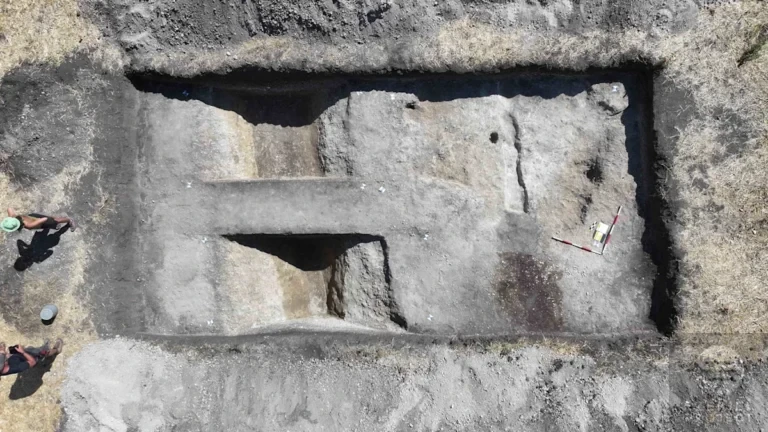
The investigation focused on a double burial discovered in 1963 at Grotta del Romito in southern Italy—a site that has long intrigued archaeologists and anthropologists. The remains of two individuals were found in an embracing position, suggesting a profound social or familial bond. One individual, referred to as Romito 2, exhibited strikingly short limbs and was estimated to be approximately 110 cm tall—well below the average stature for people from that period. The second individual, Romito 1, also had a reduced body size of about 145 cm, raising questions about possible shared genetic factors underlying their stunted growth.
Due to the exceptional preservation of skeletal remains in the cave environment, researchers were able to extract and analyze ancient DNA from the petrous part of the temporal bone—a region known for high-quality endogenous DNA retention. Genetic analysis revealed that both individuals were female and closely related—most likely mother and daughter.
Further investigation into genes critical for bone development uncovered two pathogenic variants in the NPR2 gene in Romito 2, confirming a diagnosis of Maroteaux-type acromesomelic dysplasia, a severe form of skeletal dysplasia characterized by extreme shortening of limbs. In contrast, Romito 1 carried only one variant copy of the same gene, consistent with milder growth impairment. This genetic difference provides clear evidence for variable expressivity within a single family across prehistoric times.
The findings demonstrate that paleogenomics can now go beyond reconstructing ancient population history and enable precise diagnosis of rare monogenic disorders in extinct human populations. The case represents the oldest confirmed example of an autosomal recessive condition diagnosed through molecular genetics, highlighting the long-standing presence of such diseases in human evolution.
The survival of Romito 2 into late adolescence or early adulthood despite severe physical impairments suggests prolonged social support from her community. Researchers interpret this as evidence of sustained care and cooperation within their group—indicating that complex social behaviors, including altruistic caregiving for individuals with disabilities, were present during the Late Palaeolithic.
This interdisciplinary study integrates paleogenomics, clinical genetics, and physical anthropology. The international collaboration included scientists from Austria, Italy, Portugal, and Belgium, emphasizing a holistic approach to understanding human health in prehistoric contexts.
The results underscore that rare genetic diseases are not a modern phenomenon but have influenced human populations for millennia. Understanding their historical occurrence may contribute to improved diagnostic pathways today, particularly for undiagnosed or under-recognized cases of congenital skeletal disorders.
The study is published in the New England Journal of Medicine and provides compelling evidence that familial care, genetic disease burden, and biological variation were already integral aspects of human life over 12,000 years ago.