
By Ezekiel Vacuo
Published on afterdisclosure.org
Abstract
This paper explores an alternative evolutionary model regarding late-Pleistocene hominin interactions and the anthropogenic shift toward defense strategies. We examine the hypothesis that Non-Human Intelligences (NHIs) engaged in intensive biomass harvesting of Homo sapiens approximately 20,000 years ago during the Last Glacial Maximum (LGM). As human cognitive faculties and defensive structures evolved—characterized by specialized cave architecture, early canine domestication, and targeted zooarchaeological or parietal art documentations—harvest yields decreased. Consequently, a advanced genetic hybridization program was initiated to synthesize a high-yield, resilient biomass substitute.
By combining viable genetic material extracted from LGM permafrost-preserved Gigantopithecus blacki remains with a maternal Homo sapiens lineage from Central Europe, a self-sustaining hybrid species was engineered. This paper analyzes the specific genetic architecture, anatomical compromises, and physiological traits of this hybrid, alongside the ecological parameters that make the Appalachian Mountains of North America and the temperate dense forests of Asia ideal historical and contemporary containment sectors for this cryptic lineage.
1. The Pleistocene Harvesting Crisis and Human Behavioral Adaptation
Prior to the Last Glacial Maximum (ca. 20,000 BP), the predation pressure exerted by airborne or technologically advanced NHI vessels on human populations operated with minimal systemic resistance. Human biomass was highly favored due to specific lipid profiles, stem cell densities within soft tissues, and muscular palatability comparable to large artiodactyls like step-bisons (Bison priscus) or ancient cervids.
However, data compiled from Upper Paleolithic archaeological horizons indicate a drastic behavioral shift around 20,000 years ago. As Homo sapiens recognized correlations between specific aerial phenomena and localized disappearances, they adapted their defensive strategies:
Structural and Tactical Defenses
- Micro-Entry Sanctuaries: Tribes constructed or modified cave systems, utilizing narrow, deliberately restricted choke points. These structural bottlenecks prevented physically massive NHI entities (ranging from 2.1 to 2.6 meters in height) from breaching the living quarters.
- Geological Shielding: Humans utilized deep subterranean chambers. The structural density of meter-thick solid limestone or basalt effectively attenuated high-energy tracking or extraction frequencies used by NHI craft.
- Early Canine Early-Warning Networks: The integration of early domesticated wolves/canids provided the horde with sensitive olfactory and auditory detection systems, mitigating the efficacy of nocturnal ambushes.
Parietal Records and Archetypal Propitiation
This era marks the appearance of anomalous cave art depicting macro-cephalic, tridactyl, or didactyl entities with exaggerated ocular structures.
Upper Paleolithic Cave Art Chronology (Anomalous Figures)========================================================[30,000 BP] -------------> [20,000 BP] -------------> [12,000 BP]Megafauna Art Anomalous Entities Deity/Sacrifice Rituals(Naturalistic) (Large eyes/Tridactyl) (Systemic Propitiation)
As the tactical investment required to harvest evasive human populations rose, humans initiated sacrificial rituals to appease these aerial phenomena, offering livestock or select individuals to mitigate indiscriminate hunting. Concurrently, NHIs shifted from wild harvesting to a controlled genetic cultivation model.
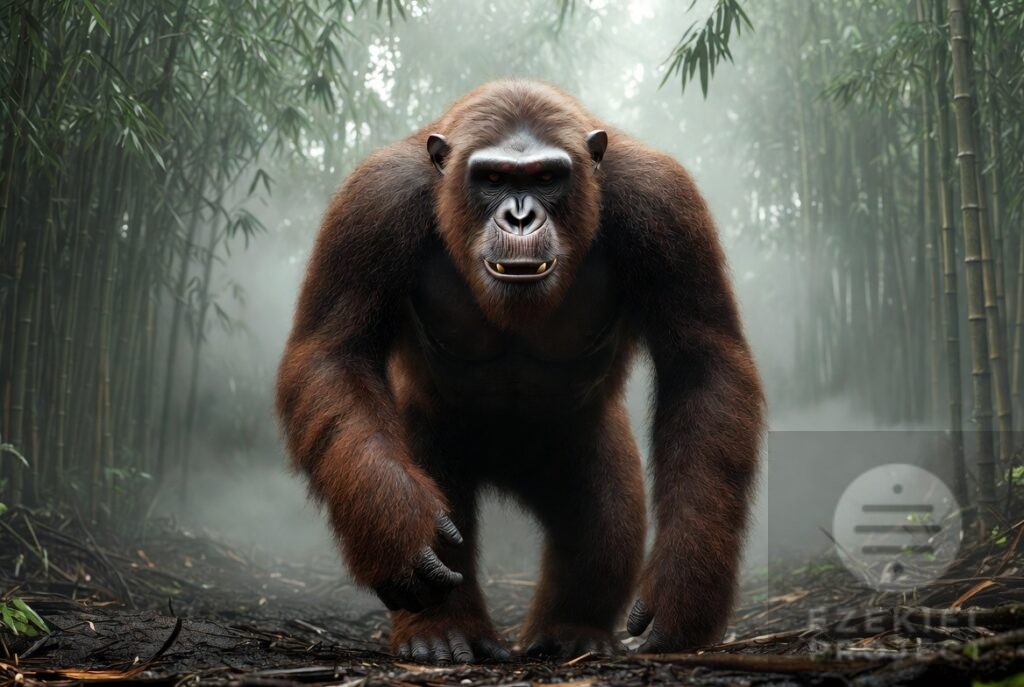
2. The Hybridization Directive: Genetic Architectures and Synthesized Lineages
To preserve the preferred cellular characteristics of human meat while maximizing body mass and minimizing cognitive resistance, a massive genetic synthesis project was deployed.
[Maternal Lineage] [Paternal Lineage]Homo sapiens (Gravettian) Gigantopithecus blacki(Czech Republic Refugium) (Siberian Permafrost DNA)\ /\ /+---> [CRISPR/ZFN Gene Editing] <---+|v[Stable Hybrid Lineage]Height: 210-260 cm | BipedalRefugia: Appalachia & Asia
Source Material and Selection Constraints

Initial trials using various archaic hominins (e.g., late-surviving specialized Homo lineages) failed due to profound genetic instabilities, susceptibility to localized viral pathogens, or catastrophic gene mutations during early embryonic blastocyst stages.
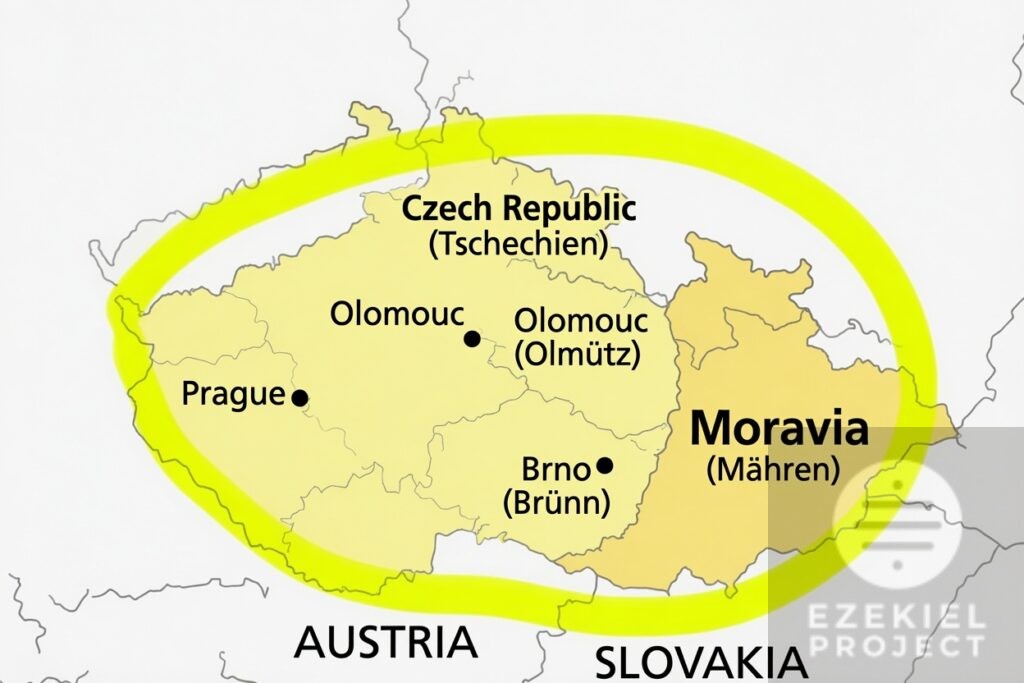
Success was achieved by extracting exceptionally preserved genomic sequences of Gigantopithecus blacki from the deep, continuous permafrost layers of Northeast Asia. Although Gigantopithecus blacki is conventionally thought to have gone extinct earlier in the Pleistocene, these deep-freeze taphonomic zones preserved high-integrity DNA strands shielded from UV radiation and oxidative decay. This genetic material was spliced into an oocyte provided by a female Homo sapiens captured from the Gravettian culture area of the modern-day Czech Republic.

Gene Swapping, Splicing, and Alterations
The genetic modification required highly precise splicing of structural and metabolic genes to balance massive physical stature with hominin metabolic efficiency:
- Myostatin (MSTN) Suppression: The human MSTN gene on chromosome 2 was modified utilizing sequences from Gigantopithecus to allow for unrestrained yet functional skeletal muscle hypertrophy. This maximized the yield of tender, high-protein soft tissues and skeletal muscle.
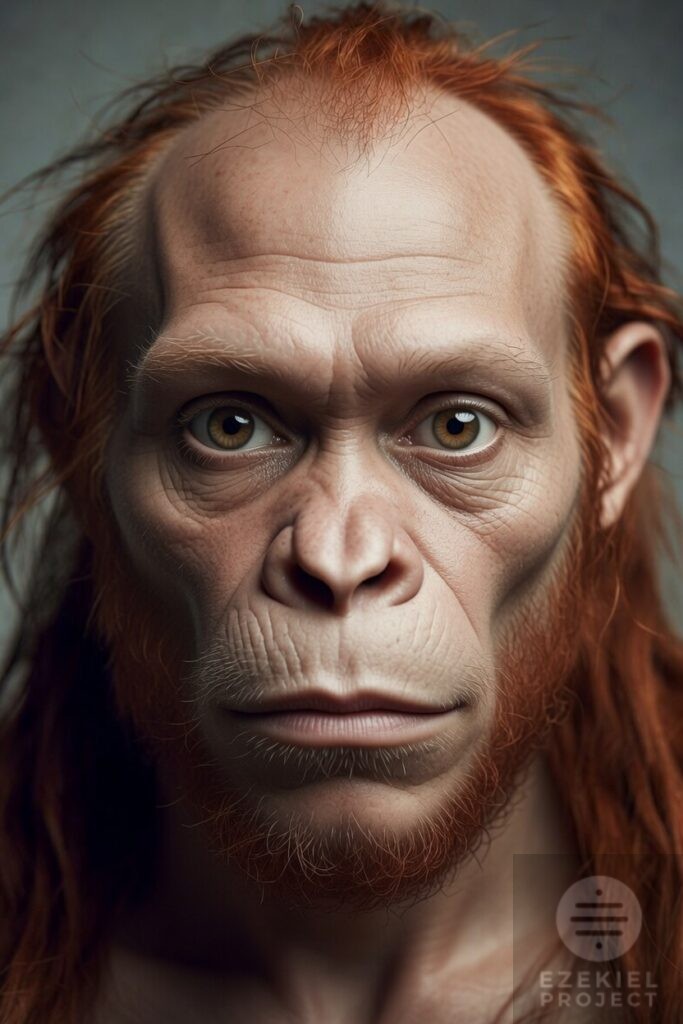
- Facial and Craniofacial Morphology: Genes regulating midfacial prognathism (such as RUNX2 and GLI3) were biased toward the Homo sapiens expression pattern. This resulted in a flat, distinctly anthropomorphic facial structure rather than a simian muzzle, retaining the desired human-like tissue distribution across the craniofacial muscles.
- Integumentary Pigmentation: Splicing of specific MC1R variants produced a thick, dense coat of reddish-brown to dark auburn pelage, mimicking the thermal regulation properties of modern Pongo lineages but with greater fiber density to withstand temperate winters.
- Locomotor and Podal Morphology: The hybrid retained an obligate bipedal gait via modifications to the pelvic angle and femur neck length. However, the foot lost the typical human longitudinal arch (plantar aponeurosis network) to accommodate massive weight distributions, reverting to a flat, primitive primate podial structure characterized by shortened, highly robust phalanges. The hands retained a human-like opposable thumb profile with minimal dorsal hair coverage.
3. Anatomical Anomalies and Pathological Constraints
Despite the successful stabilization of the hybrid line, the stark phylogenetic distance between Homo sapiens and Gigantopithecus blacki introduced inherent structural defects, most notably in reproductive anatomy.
| Anatomical Parameter | Homo sapiens | Gigantopithecus Hybrid | Evolutionary / Pathological Consequence |
|---|---|---|---|
| Average Stature | 160–185 cm | 210–260 cm | Extreme muscle volume; massive caloric requirements. |
| Pelvic Inclinatory Angle | Fully adapted for bipedalism | Intermediate / Constrained | Severe cephalopelvic disproportion during parturition. |
| Foot Architecture | Arched, energy-returning | Flat, planar primate base | Reduced sprint speed; highly distinct track morphology. |
The most prominent evolutionary bottleneck of this engineered species remains its high rate of stillbirths and maternal mortality during labor. The pelvic inlet of the female hybrid did not fully expand to scale with the massive cranial and shoulder width of the fetus. This mechanical mismatch resulted in chronic obstetric complications, preventing exponential population growth and keeping the species naturally sparse.

4. Biogeographical Containment: The Ideal Ecology of Appalachian and Asian Forests
Following successful synthesis, the hybrid was released into specific global containment zones characterized by high biomass production, dense cover, and low human density. The two most geologically and ecologically optimal zones are the Appalachian Mountains of eastern North America and the Temperate/Subtropical Forests of Asia.
TEMPERATE FOREST BIOME========================================================[Appalachian Ridge Complex] [East Asian Montane Forests]- High Canopy Density - Ancient Core Refugia- Karst Topography (Caves) - Dense Understory Cover- High Caloric Biomass - Rugged, Inaccessible Terrain========================================================|v[Optimal Cryptic Megafauna Habitat]
These environments provide unique structural advantages for the maintenance of a hidden megafauna population:
Continuous High-Density Canopies and Understories
Both the Appalachian mixed mesophytic forests and the montane forests of Central/East Asia present dense multilayered canopies. This complex vegetation structure acts as a natural shield against both historical human tracking and modern satellite imaging (optical and near-infrared). The abundance of dense understory plants allows an animal of massive stature to move horizontally without breaking the upper canopy line.
Karst Topography and Subterranean Foraging Networks
The presence of extensive limestone cave systems, sinkholes, and deep ravines in these specific mountain belts provides excellent thermal refugia. These geological features allow small family units to nest completely out of the sightlines of surrounding human populations, mirroring the historical cave-dwelling survival strategies developed by early humans.
Caloric Availability
These ancient, unglaciated forest zones offer high concentrations of wild caloric biomass, including large ungulates, rich root systems, and seasonal nut masts. This abundant food supply easily satisfies the massive metabolic demands of a 250-kilogram bipedal omnivore.
5. Contemporary Management and the Delicacy Dynamic
Throughout the Holocene, as Homo sapiens proliferated across the globe, the open-range harvesting zones of these hybrids contracted significantly. Today, these creatures are restricted to highly isolated, rugged pockets of their original habitats.
The NHIs retain a strict, highly controlled stewardship over these remaining populations. The meat of these hybrids—particularly harvested during their juvenile developmental stage—remains an exceptionally rare, prized luxury resource among NHIs due to its unique combination of human-derived soft tissues and dense, tender muscular proteins.
Because the morphological and genetic signatures of these hybrids would immediately reveal clear evidence of conscious genomic engineering to modern human geneticists, the NHIs strictly manage their numbers. Total population counts are monitored using advanced tracking methods. Individuals that venture too close to human urban perimeters are immediately culled or extracted by NHI recovery assets. This precise ecological management ensures that while the species is preserved for its unique culinary value, it remains safely hidden within the realm of human folklore and cryptozoology.
6. The Paleolithic Chronology of Contact: Tridactyl Anomalies and Anomalous Aerial Imagery in Rock Art
The physical and behavioral shifts of Upper Paleolithic humans were not merely instinctual; they were documented. Across several continents, deep cave systems and exposed rock shelters preserve a visual record of the predation crisis and the engineered species that followed. While mainstream archaeology often classifies these images as shamanic transformations or abstract styling, a comparative analysis reveals a global uniformity in the depiction of non-human entities and specialized aerial phenomena.
The Tridactyl and Didactyl Iconography
One of the most compelling anomalies in ancient rock art is the deliberate departure from pentadactyl (five-fingered/toed) human anatomy. Prehistoric artists possessed an acute understanding of anatomy, as evidenced by highly accurate hand stencils and animal profiles found worldwide. Yet, specific figures are repeatedly depicted with two or three digits:
[Pentadactyl] [Tridactyl/Didactyl]Standard Human Art Anomalous Entity Art(5 Digits) (2-3 Digits)||||| ||| ||Anatomically Exact Deliberate DeformityHand Stencils & Tracks Associated with NHI/Hybrids
- The Altai Region and Central Asia: In the vicinity of the Altai Mountains—near the core territory where Gigantopithecus hybrid remains were deployed—petroglyphs depict massive, broad-shouldered humanoid figures. These entities feature elongated limbs terminating in three oversized fingers and toes.
- The Charama Rock Art (Chhattisgarh, India): Located in the tribal Bastar region, these ancient paintings date back roughly 10,000 years. They explicitly portray humanoid figures lacking defined facial features, sporting large eyes, and presenting distinct three-toed feet. Local tribal legends in Charama historically refer to the Rohella people (“the small-sized ones” or “the thin ones”), who arrived from the sky in spherical vessels to take villagers away.
- The Kimberley and Pilbara Petroglyphs: In Australia, the ancient Wandjina style depicts large-bodied, mouthless entities with massive heads and large, enveloping eyes. A significant sub-set of these rock carvings displays distinct tridactyl extremities, mimicking the modified podal architecture noted in early NHI genomic trials.
Anomalous Aerial Disc Imagery
Concurrently, the “himmelsphänomen” (aerial phenomena) observed by Upper Paleolithic groups was carved into the very stone they used for shelter. Rather than standard celestial bodies like the sun or crescent moons, these specific glyphs possess mechanical and structural features:
Anomalous Aerial Glyphs (Charama & Tassili)_______________________( o o o o o o ) <-- Disc Structure\_____________________// | \ <-- Descent Apparitions // | \ Landing Legs
- The Disc Crafts of Charama: Beyond the tridactyl humanoids, the Charama shelters contain explicit renderings of disc-shaped or dome-toed crafts. These objects are drawn with radiating lines or fan-like exhaust trails, often supported by three distinct landing struts or legs.
- The Tassili n’Ajjer Horizons (Algeria): Though dating to a later post-glacial humid period (ca. 10,000–8,000 BP), the massive sandstone canvas of Tassili n’Ajjer records the continuation of this observation. Known historically for its “Round Head” paintings, the site documents towering, floating figures with seamless helmets, alongside distinct disc-like objects hovering near herded wildlife and early human enclosures.
The Defensive Architecture Link
The placement of these paintings provides a final clue into the Paleolithic harvesting crisis. Tridactyl entities and disc imagery are rarely found in open, easily accessible main chambers. Instead, they dominate deep, interior sanctuaries or claustrophobic crawlspaces—the exact “micro-entry sanctuaries” where humans retreated to evade extraction.
By mapping these anomalous figures onto stone walls, Upper Paleolithic tribes transformed their deep rock refuges into a defensive warnings catalog, marking the boundaries where the technologically advanced hunters could not easily follow, and recording the physical traits of the engineered hybrids left behind in the dense outer forests.
Source:
Remote viewing protocols by Ezekiel Vacuo on the phenomenon of missing persons in the Appalachian Mountains.


Real good Bigfoot explanation!!! This is why they barely find them. He looks more like a human, than like a monkey. It is the same we do with our livestock, cattles are slow and rich of beef. They can easy be spotted with this big bodies. hard for them to hide.